Ginkgo, 2020 - 2026    Fossil - A series of images that explores the human mind's struggle to grasp the vastness of time and our fragility within it. The collection features prehistoric plants that evolved before the existence of bees, serving as t

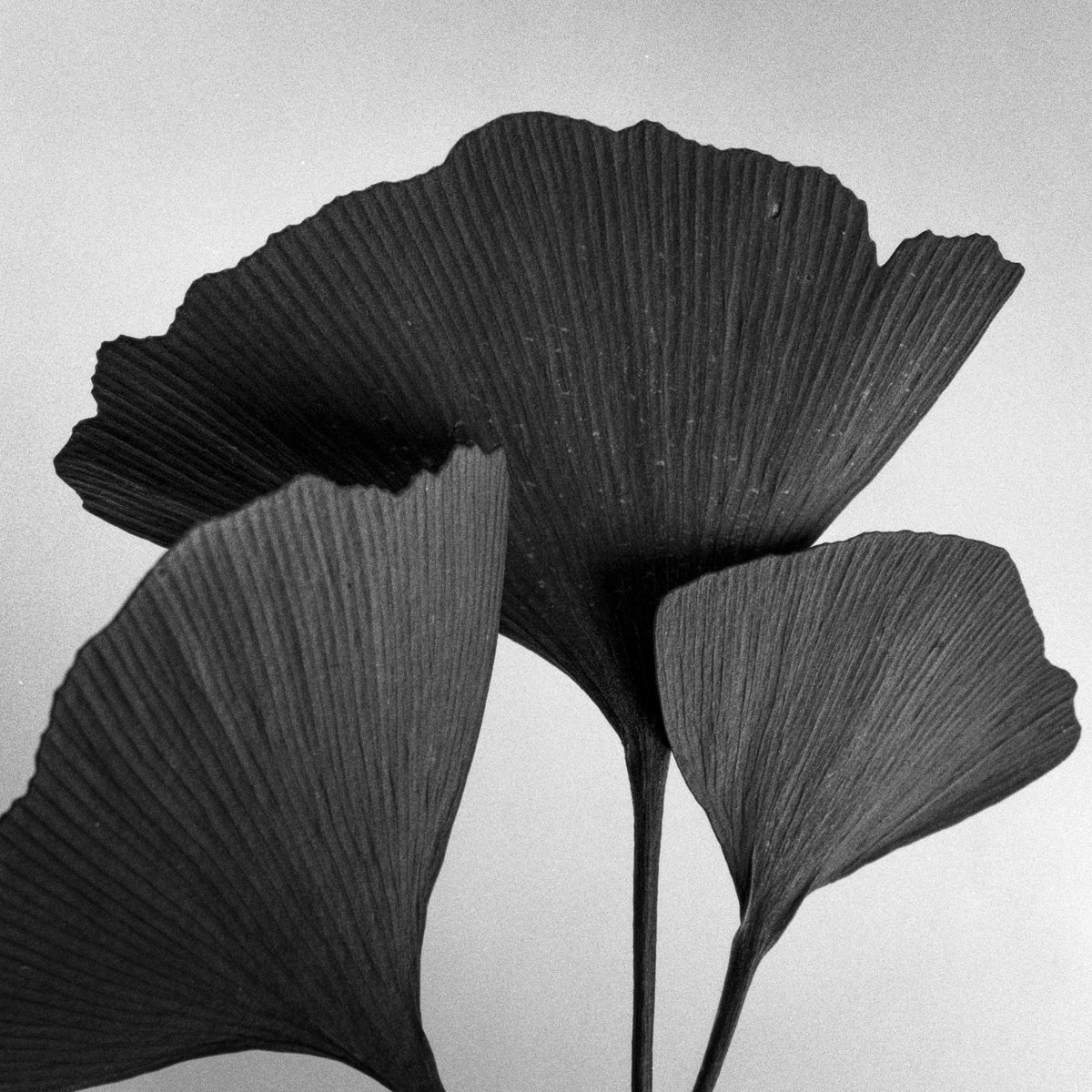
Ginkgo, 2020 - 2026

Fossil - A series of images that explores the human mind's struggle to grasp the vastness of time and our fragility within it. The collection features prehistoric plants that evolved before the existence of bees, serving as tangible reminders of our temporal limitations. Unlike stone fossils, which often feel distant and abstract, these living fossils offer a tactile immediacy. They highlight the dual nature of life - its persistent drive to survive alongside its inherent fragility.

Ginkgoes - Considered a living fossil that first appeared 290 million years ago. Predating bees by 170 million years.

  Cycad, 2020 - 2026  First seen on the fossil record 300 million years ago, predating bees by 180 million years. Cycads are considered one of the oldest living fossils in the world.

Cycad, 2020 - 2026

First seen on the fossil record 300 million years ago, predating bees by 180 million years. Cycads are considered one of the oldest living fossils in the world.

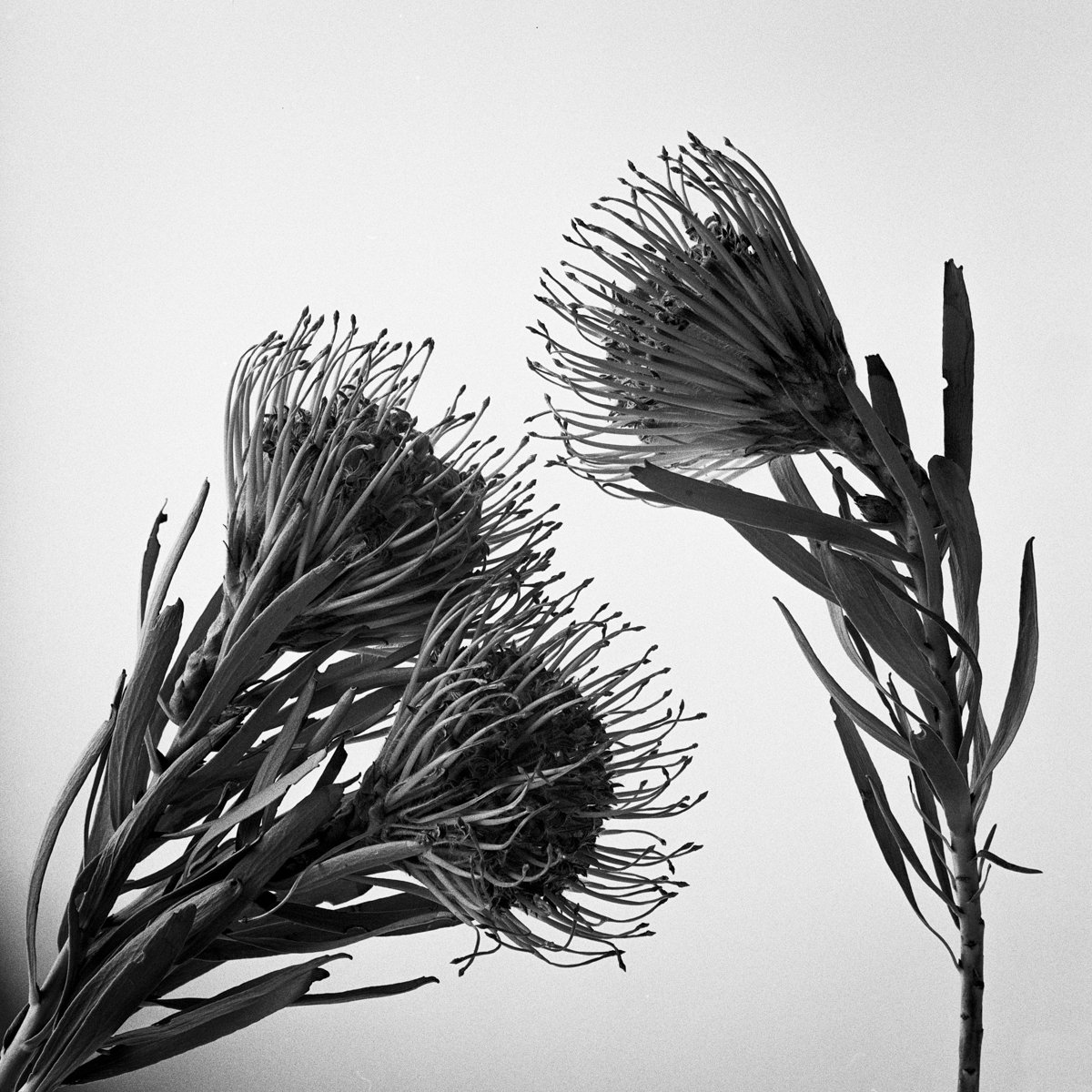
  Leucospermum, 2020 - 2026  Part of a family of flowers over 300 Million years old, predating bees by 180 million years.

Leucospermum, 2020 - 2026

Part of a family of flowers over 300 Million years old, predating bees by 180 million years.

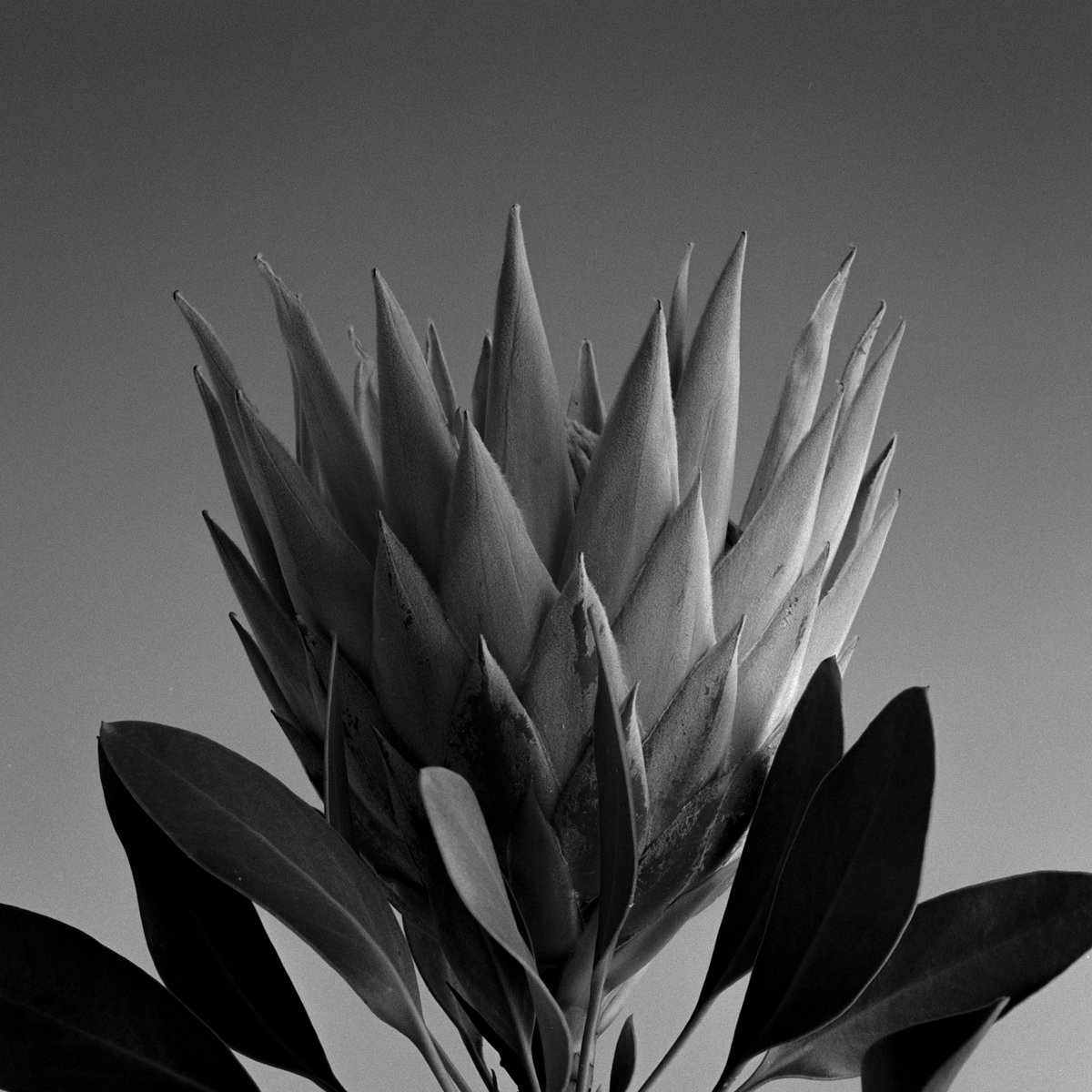
  King Protea, 2020 - 2026    Part of a family of flowers over 300 Million years old, predating bees by 180 million years.

King Protea, 2020 - 2026

Part of a family of flowers over 300 Million years old, predating bees by 180 million years.

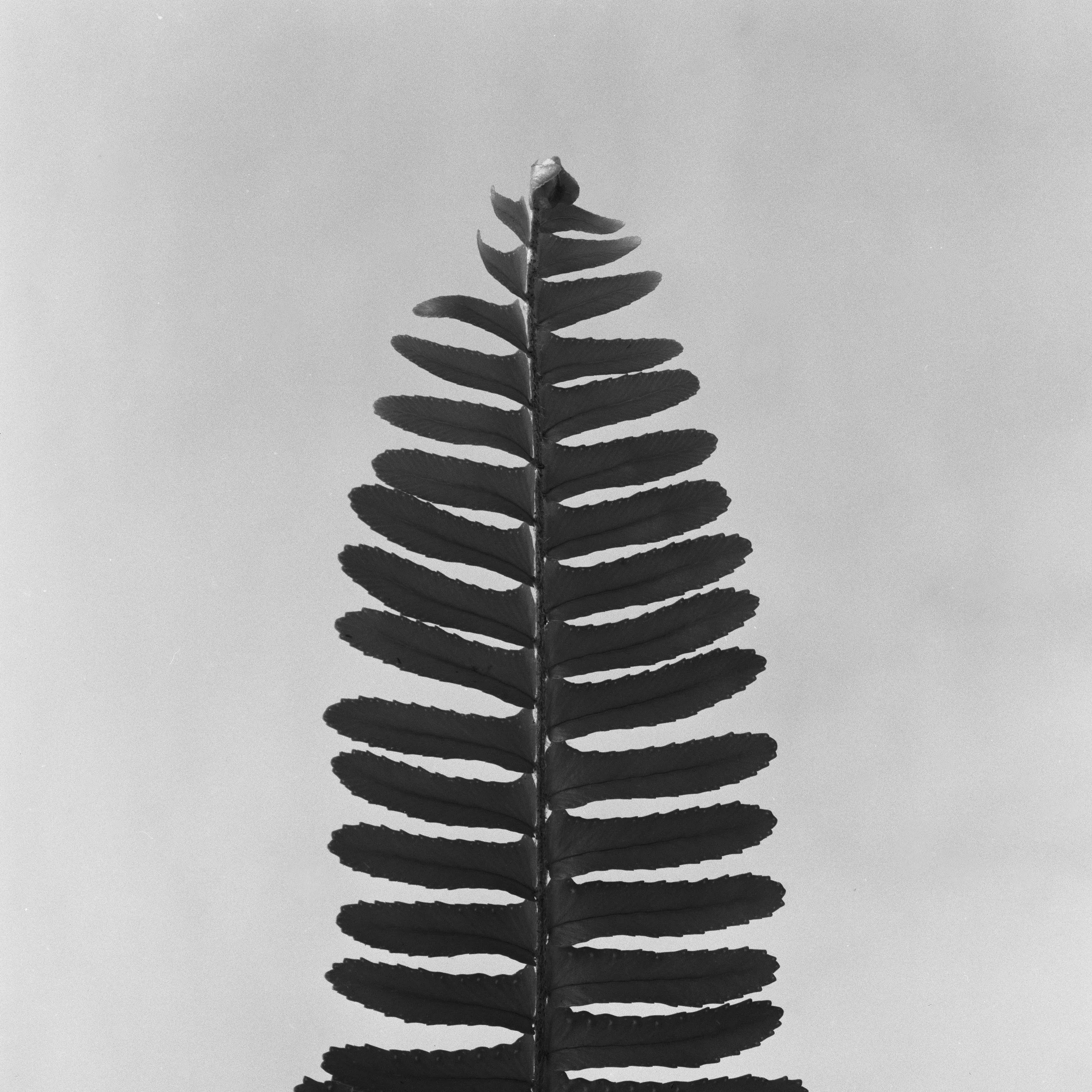
  Fern, 2020 - 2026  Considered a living fossil first appearing 380 million years ago. Predating bees by 260 million years.

Fern, 2020 - 2026

Considered a living fossil first appearing 380 million years ago. Predating bees by 260 million years.

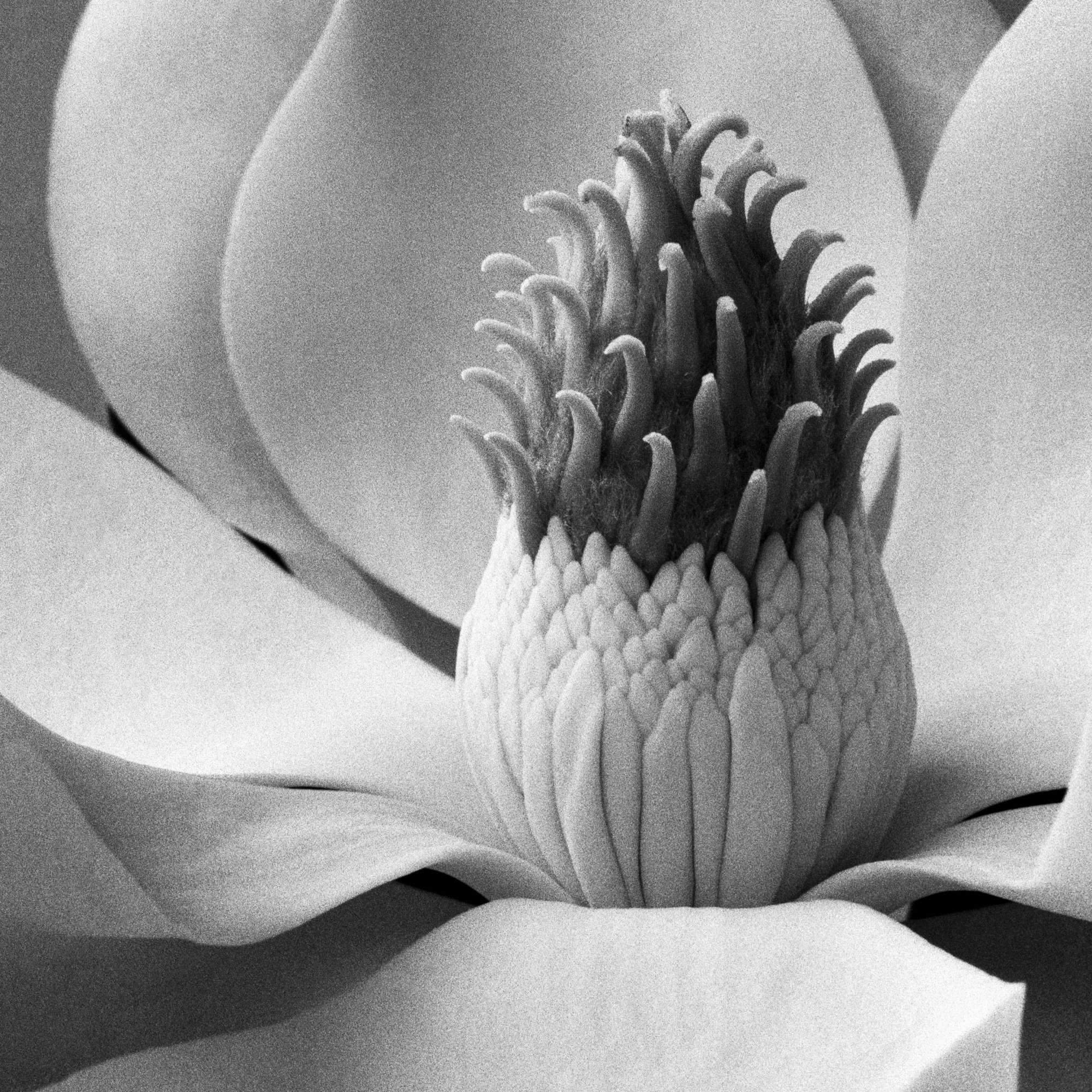
  Magnolia, 2020 - 2026  An ancient genus that predates the evolution of bees and was first pollinated by beetles.

Magnolia, 2020 - 2026

An ancient genus that predates the evolution of bees and was first pollinated by beetles.

Waratah
Waratah

Waratah, 2020 - 2026

Part of a family of flowers over 300 Million years old

  Fern No. 2, 2020 - 2026  Considered a living fossil first appearing 380 million years ago. Predating bees by 260 million years.

Fern No. 2, 2020 - 2026

Considered a living fossil first appearing 380 million years ago. Predating bees by 260 million years.

  Ginkgo Leaves, 2020 - 2026    Ginkgoes - Considered a living fossil that first appeared 290 million years ago. Predating bees by 170 million years.

Ginkgo Leaves, 2020 - 2026

Ginkgoes - Considered a living fossil that first appeared 290 million years ago. Predating bees by 170 million years.

  Ginkgo, 2020 - 2026    Fossil - A series of images that explores the human mind's struggle to grasp the vastness of time and our fragility within it. The collection features prehistoric plants that evolved before the existence of bees, serving as t
  Cycad, 2020 - 2026  First seen on the fossil record 300 million years ago, predating bees by 180 million years. Cycads are considered one of the oldest living fossils in the world.
  Leucospermum, 2020 - 2026  Part of a family of flowers over 300 Million years old, predating bees by 180 million years.
  King Protea, 2020 - 2026    Part of a family of flowers over 300 Million years old, predating bees by 180 million years.
  Fern, 2020 - 2026  Considered a living fossil first appearing 380 million years ago. Predating bees by 260 million years.
  Magnolia, 2020 - 2026  An ancient genus that predates the evolution of bees and was first pollinated by beetles.
Waratah
  Fern No. 2, 2020 - 2026  Considered a living fossil first appearing 380 million years ago. Predating bees by 260 million years.
  Ginkgo Leaves, 2020 - 2026    Ginkgoes - Considered a living fossil that first appeared 290 million years ago. Predating bees by 170 million years.

Ginkgo, 2020 - 2026

Fossil - A series of images that explores the human mind's struggle to grasp the vastness of time and our fragility within it. The collection features prehistoric plants that evolved before the existence of bees, serving as tangible reminders of our temporal limitations. Unlike stone fossils, which often feel distant and abstract, these living fossils offer a tactile immediacy. They highlight the dual nature of life - its persistent drive to survive alongside its inherent fragility.

Ginkgoes - Considered a living fossil that first appeared 290 million years ago. Predating bees by 170 million years.

Cycad, 2020 - 2026

First seen on the fossil record 300 million years ago, predating bees by 180 million years. Cycads are considered one of the oldest living fossils in the world.

Leucospermum, 2020 - 2026

Part of a family of flowers over 300 Million years old, predating bees by 180 million years.

King Protea, 2020 - 2026

Part of a family of flowers over 300 Million years old, predating bees by 180 million years.

Fern, 2020 - 2026

Considered a living fossil first appearing 380 million years ago. Predating bees by 260 million years.

Magnolia, 2020 - 2026

An ancient genus that predates the evolution of bees and was first pollinated by beetles.

Waratah

Waratah, 2020 - 2026

Part of a family of flowers over 300 Million years old

Fern No. 2, 2020 - 2026

Considered a living fossil first appearing 380 million years ago. Predating bees by 260 million years.

Ginkgo Leaves, 2020 - 2026

Ginkgoes - Considered a living fossil that first appeared 290 million years ago. Predating bees by 170 million years.

show thumbnails